The Building (18th century)

It was possible for us to buy the little house on Tocuyeros Street because a judge had placed it on the market when the four heirs in the family that owned it were unable to come to an agreement among themselves. That was how we were able to acquire it.

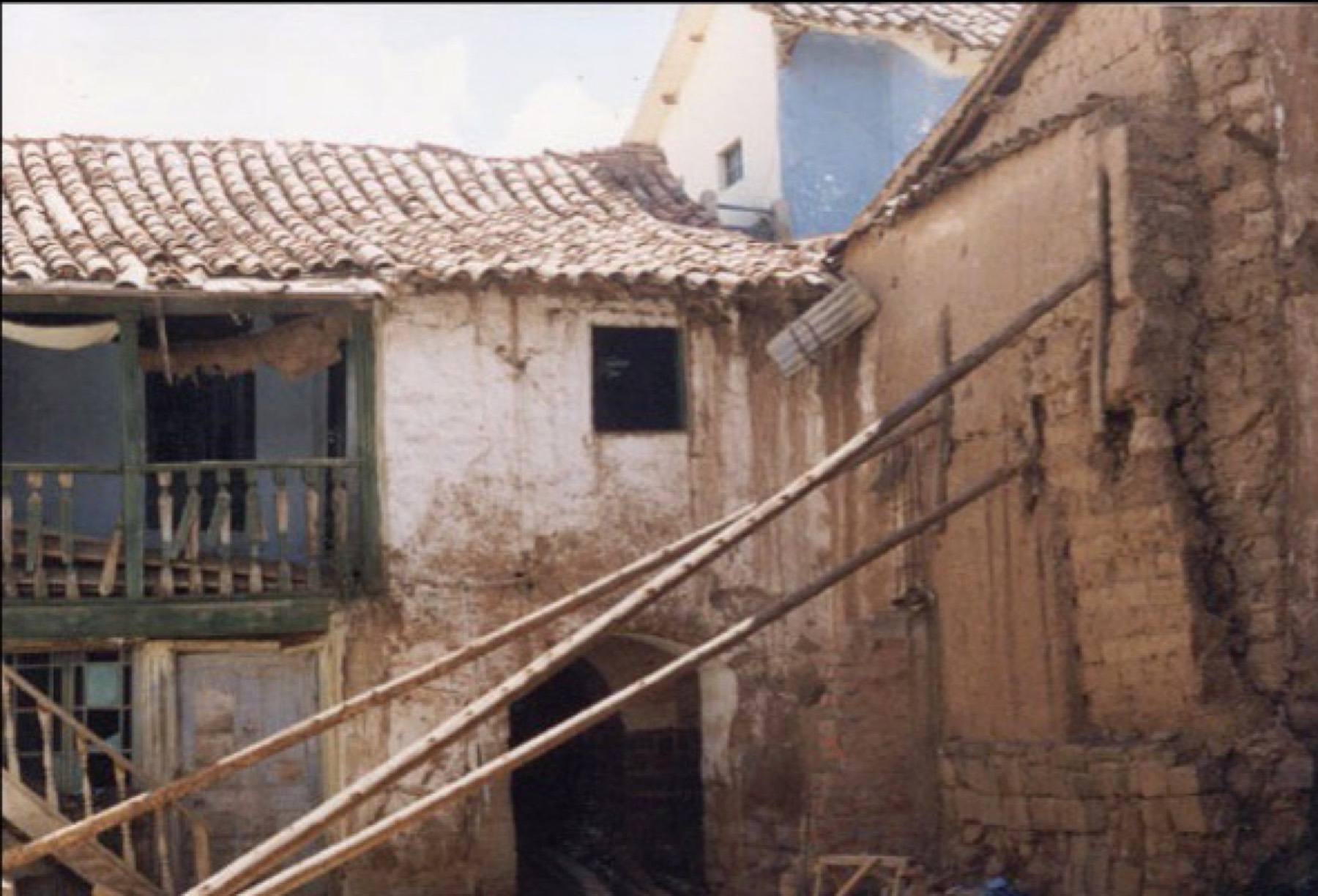
The little house was very pretty and the location was perfect. It had two stories, with a shop on the first floor and a vestibule that led up a slope to the garden.
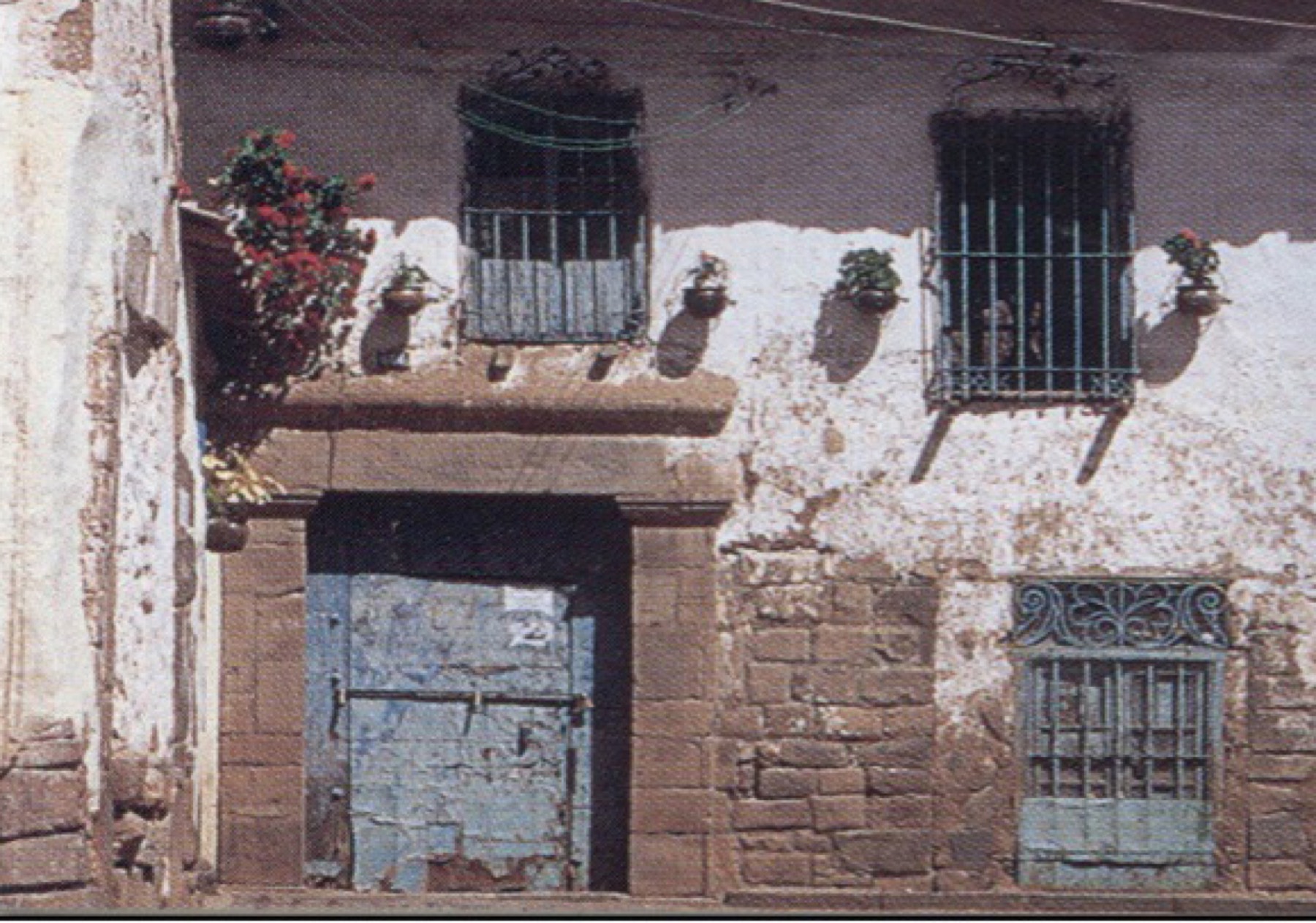
The original house on Tocuyeros street before its restoration
The little house on the Tocuyeros passage.

Our plan was to create a welcoming design with just a few rooms. We didn’t know how many there would be in the end, but we had two architectural advantages. The first was that our neighbor, the Carmelo School, was quite a tall building, and this gave us the maximum possible height without disturbing our surroundings. The second was that, because there were no cultural or archaeological remains present, we could excavate the earth to gain more height. In the end we built a three-story structure, plus a small attic, all without violating Cusco’s urban planning regulations.

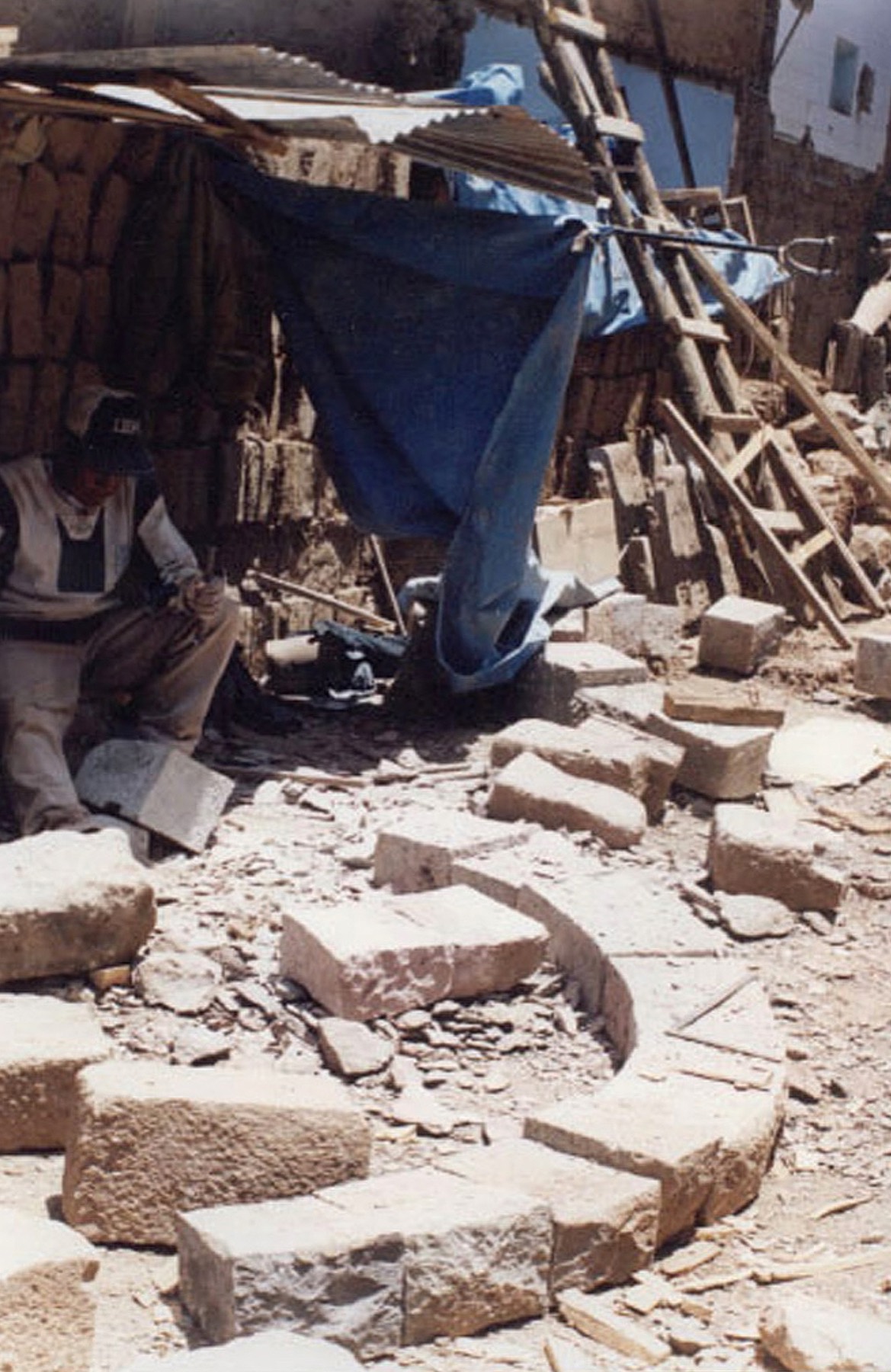
Although it was a modest 18th-century adobe house, which even had an adobe arch, it had withstood the 1950 earthquake, which damaged almost 50% of Cusco’s houses. We had to redesign those structures and rebuild the arch, and there was plenty of space in which to work comfortably.

The reconstruction of the arch
The reconstruction of the arch.

The "Hidden Treasure"

One of the house’s owners –an octogenarian like her three siblings– visited one day to congratulate me on the purchase and tell me that she admired my mother’s family. That first visit was just a courtesy call. The second visit, though, was shrouded in mystery. Doña Carmen wanted to speak with me alone. Her tone was confessional. There is a treasure in the house, she told me, and she advised me to search for it with the greatest care. I should be present at all times, because the treasure hides from ill-intentioned people. She went on to confess, with some frustration: –We have fought as siblings. The treasure hid from us. But I know your family and you are a good person; the treasure will be yours.

The original house during its reconstruction
The original house during its reconstruction.

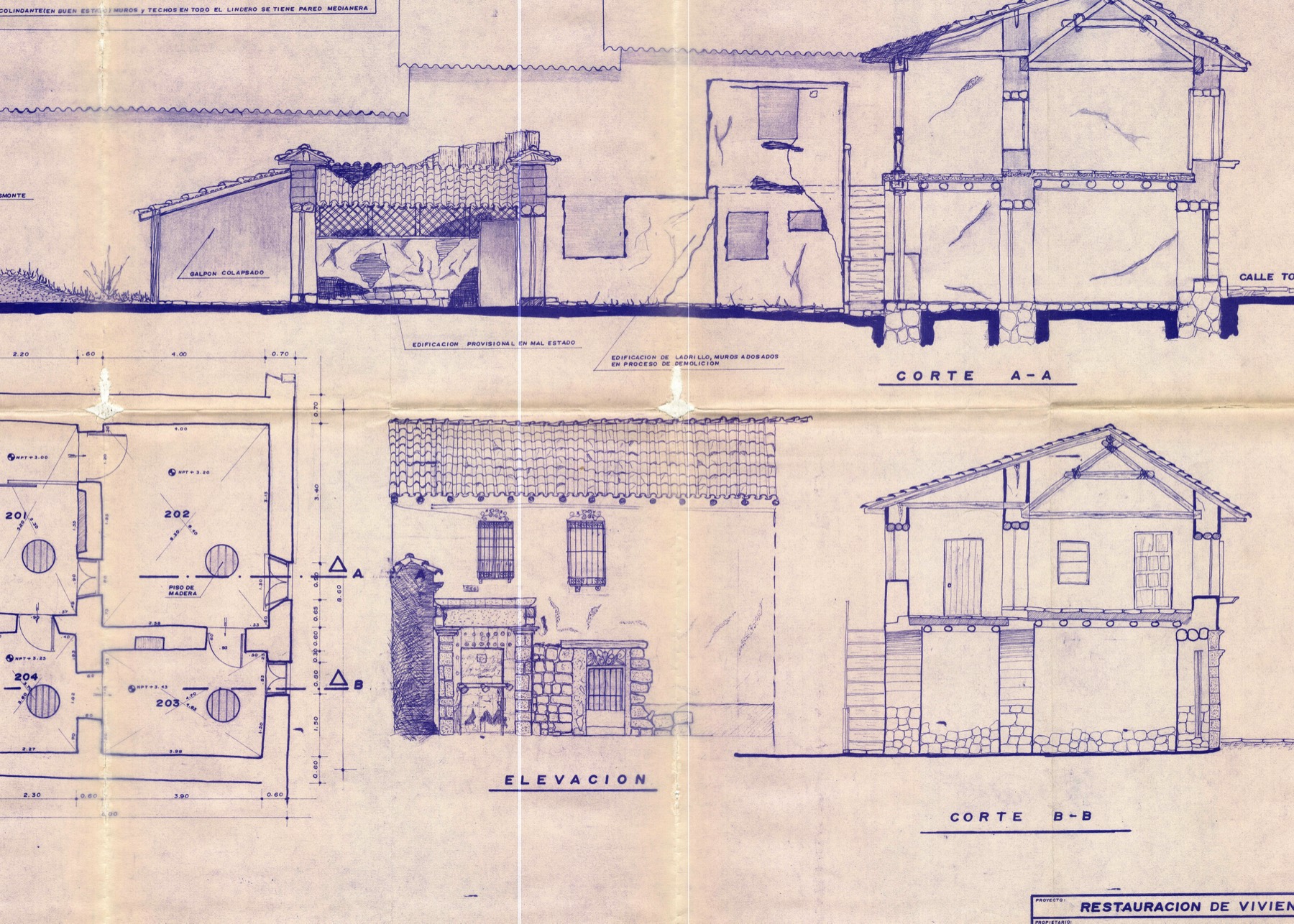
Immediately I called the architect, Miguel Mostajo, and told him to search for the treasure with great discretion. After reviewing the plans, Miguel identified several possible hiding places. He worked diligently but discreetly, and told me on two occasions: –Forget it, there is no treasure.

Then came a third visit from Doña Carmencita: I had a dream, she told me, and I saw the treasure. –There were 900 silver coins of five décimos. I think you’ll be able to get around 35,000 soles (something like 10,000 dollars). You’ll need that money for the construction. I told the architect that we had to keep looking. On her fourth visit Doña Carmencita brought along her comadre, a handcrafts dealer, who offered to buy the coins –still unfound– and confirmed that the price was right. Well, time passed, and the architect assured me that there was no chance of finding a treasure.

Restoration drawings of the house: plan, elevation and sections
Restoration drawings of the house.

The Inca Stones

With the mystery over, we were digging up the garden for the foundations and there was a great deal of leftover earth. We were under constant supervision from the National Institute of Culture, so we turned the earth into adobe bricks and moved them out little by little to be sold. When we finished, a pile of stones remained at the bottom. One day the architect called me in to look over the accounts. Reviewing the spreadsheet, I noticed an empty space and asked him: –Hey, we haven’t spent anything on this item. He told me: –That item is stone, and it costs 35,000 soles, but the stones are here. We went down, looked at the stones, and we had a whole pile of them.

He then advised me to be very discreet, because some of the stones were Inca-made. They were indeed carved stones. I thought: what do we do? We were facing a dilemma. The right thing to do was to notify the authorities. The practical thing to do was to hide them. So we notified the authorities. They came, verified that the stones were Inca, and issued us with a stop-work order. We couldn’t touch anything until the fate of the stones was decided. It was incredibly frustrating, and we didn’t know what to do.

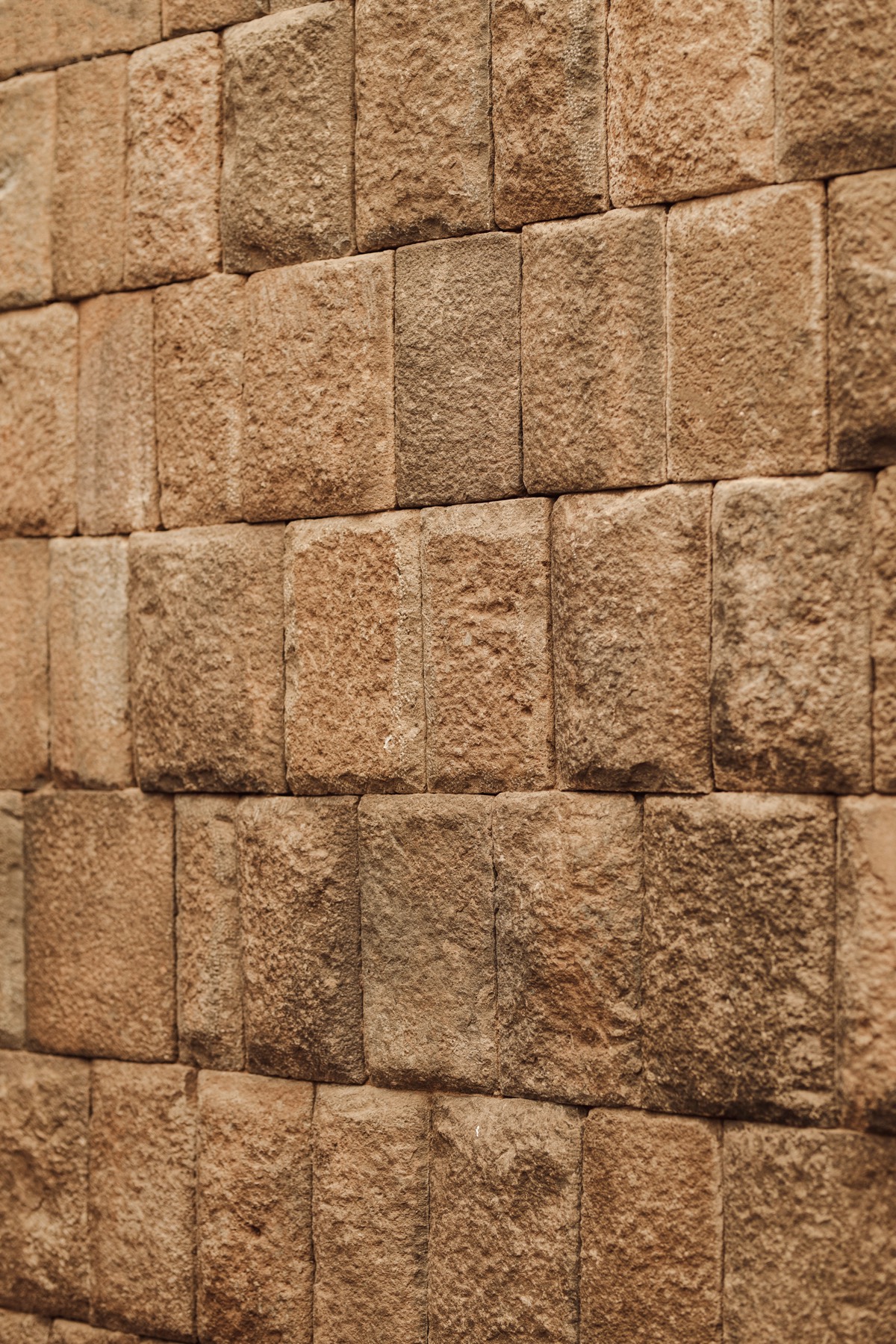
Two workers, the brothers Edgar and Porfirio Guzmán, said to me: –Boss, we’re not working. Let’s do something. We’ll lay these stones on the ground and imagine how the Incas fitted them together. They laid them out horizontally, and we had a beautiful stone panel made of real Inca stones. Another day Porfirio said to me: –Boss, what if we stand it up? We have a wall that needs cladding. Let’s use the stones for it. And so it was done, and we had a beautiful wall, of almost Inca quality. We called the authorities again and told them that this was our proposal for preserving the heritage. They gave a favorable opinion and declared the wall protected, meaning that we could never do anything more with it. (You can see it in the lobby.)

Perfect; we had solved our problem, we had used the stones and we had saved 35,000 soles. In other words, we had finally obtained what Doña Carmencita’s treasure was worth. When we wondered where so many stones had come from, the architect and some older friends told us that the residents of San Blas, while rebuilding their houses, spread the word that there was a vacant lot, and for months or years, we never knew how long, whenever they found an Inca stone they hid it and later left it on what would become our land. And that is the story of our treasure.

The Inca stone wall inside the house
The Inca stone wall, now in the lobby.

Sense of Place

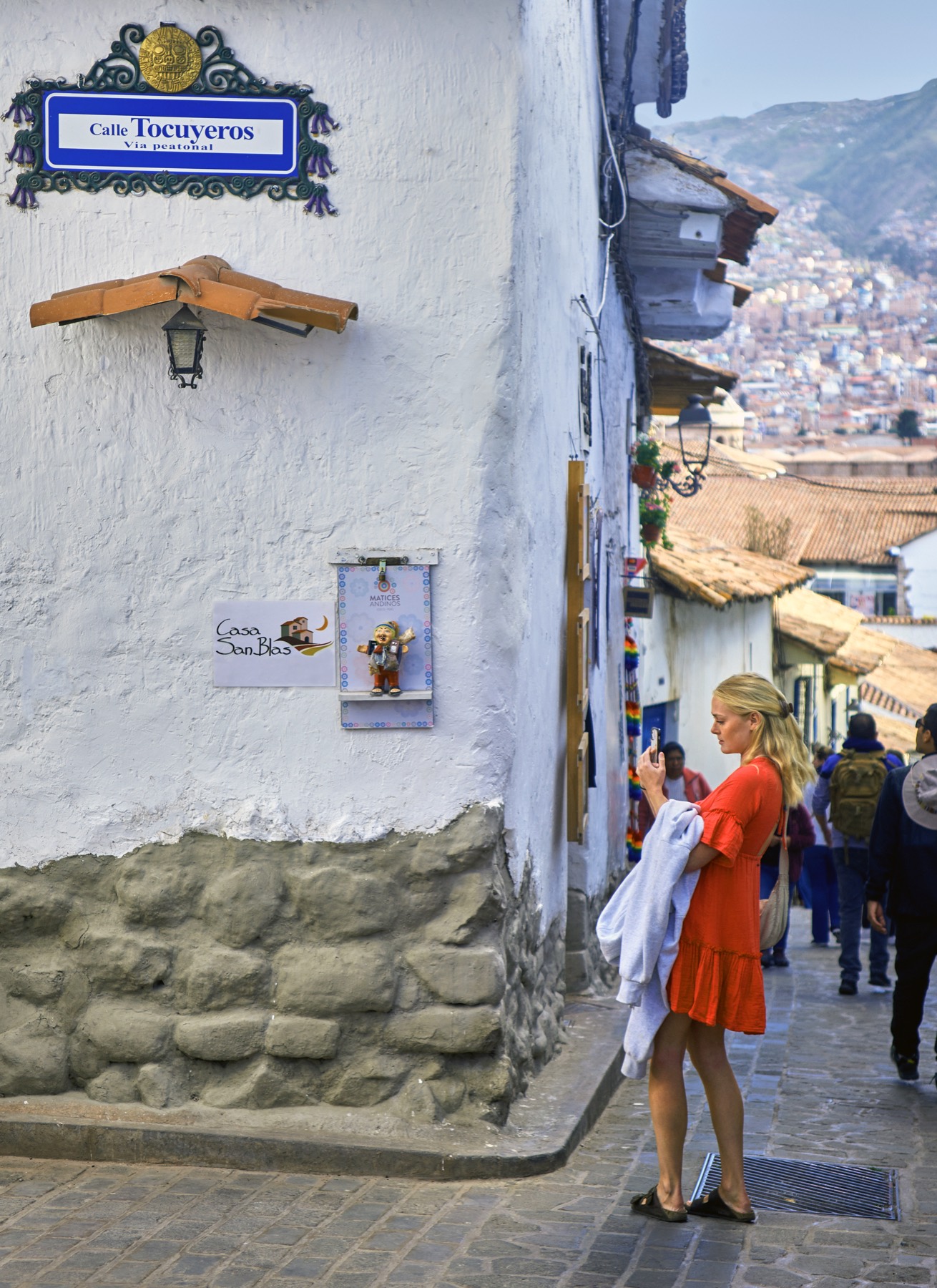
Ours is a house seamlessly interwoven into San Blas, the artisan neighborhood with the longest historical continuity of any part of Cusco. Known as Tococcachi by the Incas, it preserves its narrow streets of carved stone and artisan workshops, now interlaced with shops, restaurants, bars, a bohemian atmosphere, and a vibrant energy.

San Blas is part of Cusco’s “Historic Center”, declared a World Heritage Site by UNESCO in 1983.

The Casa San Blas corner on Tocuyeros street, Cusco in the background
On the San Blas slope.