The Dream

The moments before

At the end of the last century, the provisions of Peruvian law called for the classification and rating of lodging establishments; classification was based on the number of rooms, and the rating was expressed in stars.

Rigid and punitive, those regulations mandated certain standards, but were focused more on infrastructure than on service. Big hotel chains with many rooms sought to differentiate themselves on the global market through characteristics such as room size, percentage of open spaces, color schemes and service protocols.
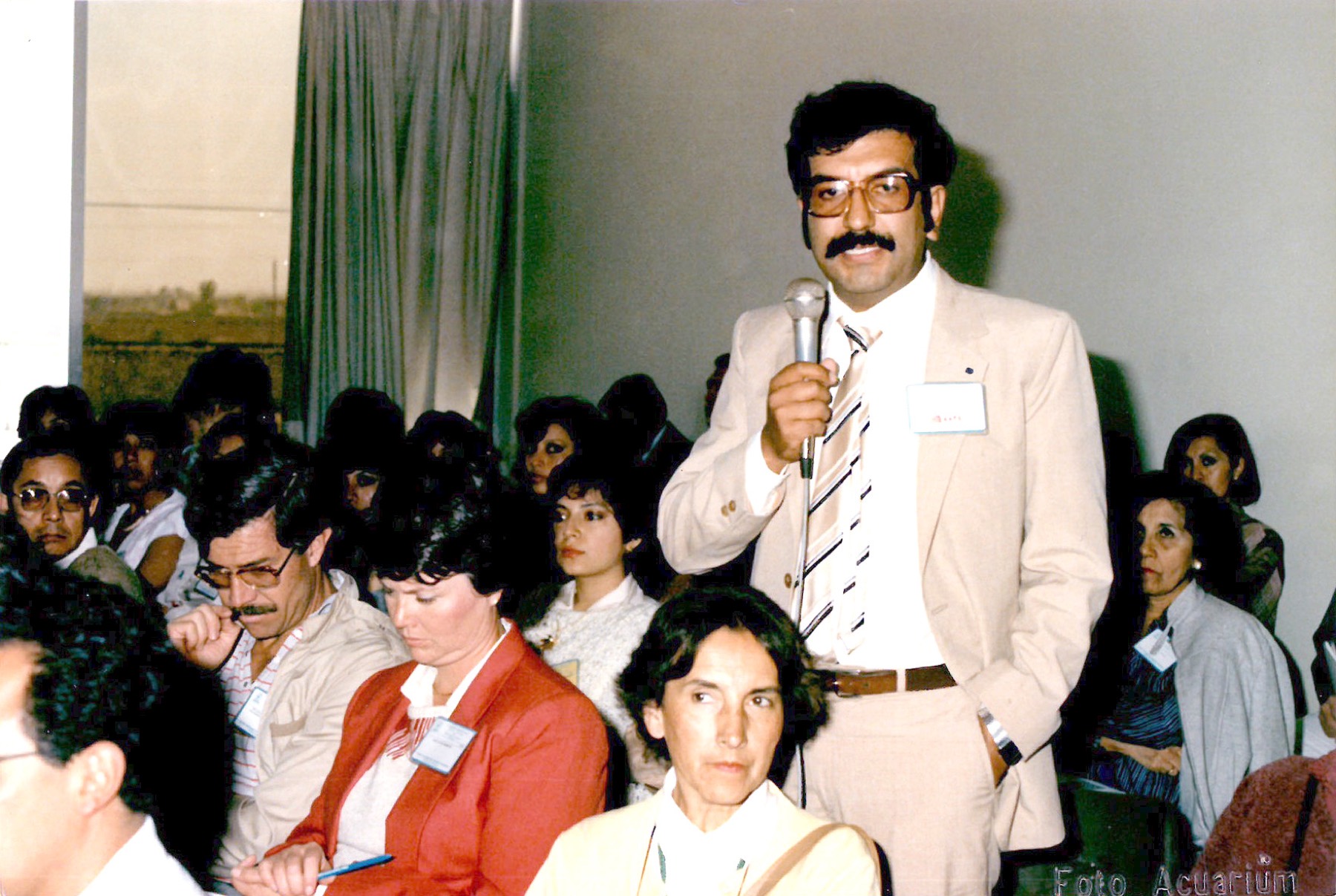
Carlos Milla Vidal speaking at a tourism congress
Taking part in every congress and gathering.

As part of my work, I was assigned as a “lodging establishment assessor”. My job was to visit hotels and provide a technical opinion: what kind of establishment it was and what category it should have. Trusting my opinion, the ministry would then assign them a class and category.

But my work went against common sense, because I came across ugly hotels that complied with the regulations, and really beautiful hotels whose tiles were judged not reach the required height, meaning that I had to give them only one or two stars. (Those beautiful hotels would be recognized, eventually, not by the ministry but by the market, as they joined international chains such as Relais & Châteaux.) The regulations did not account for service or individual value propositions; they only recognized square meters of cement, tiles and glass.

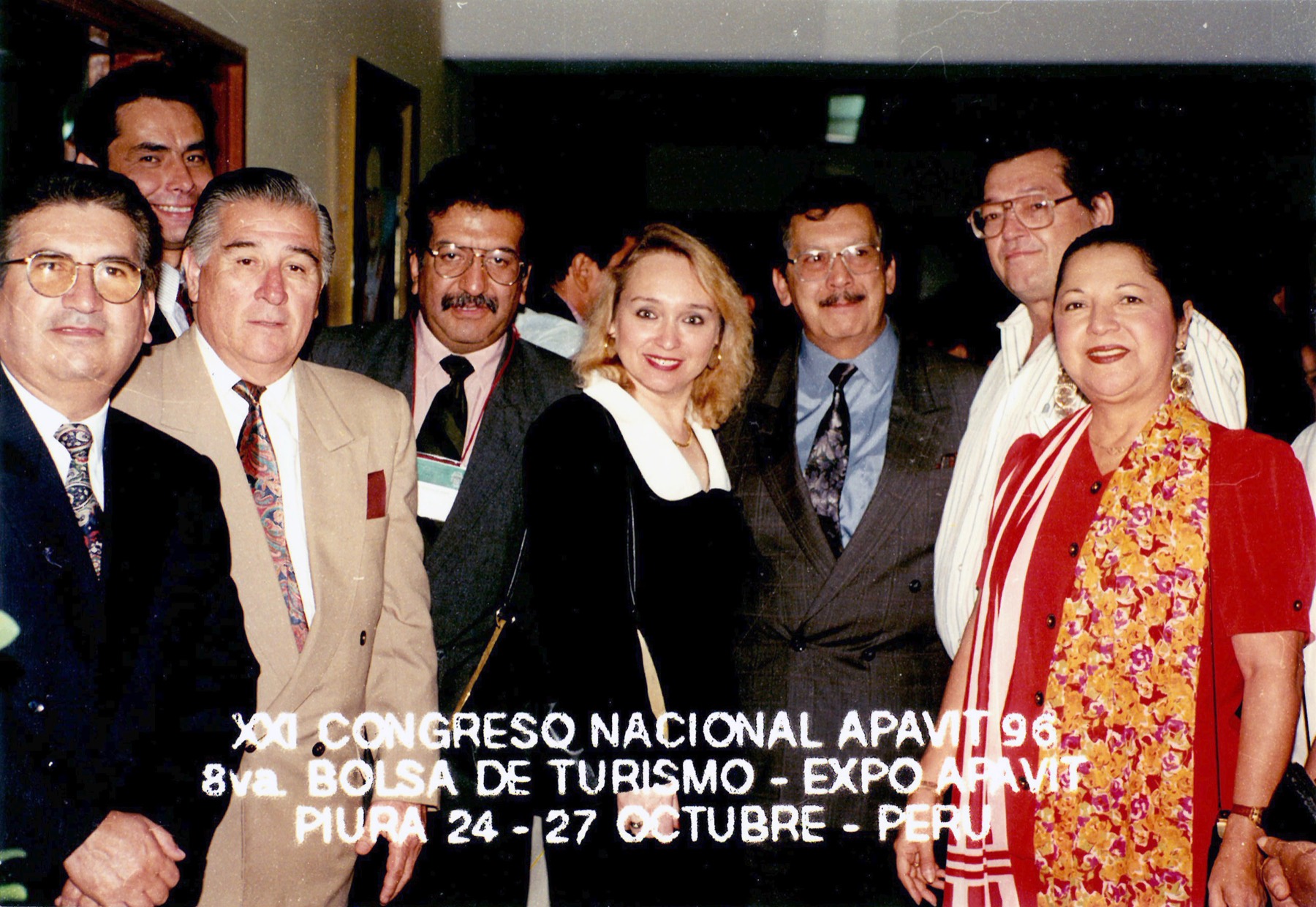
Cusco delegation at the 21st APAVIT National Congress, Piura 1996
Representing Cusco across the country.

My dream was to own my own hotel. But, if I followed the regulations, I would have needed a minimum number of rooms, a very large area, and a very high budget.

What I envisioned was a small, cozy hotel, with a touch of luxury, where guests could enjoy a cultural experience and a sense of the warmth and flavor of Cusco.

How could I achieve this without violating the regulations, while offering a better value proposition that I was sure the market would appreciate?

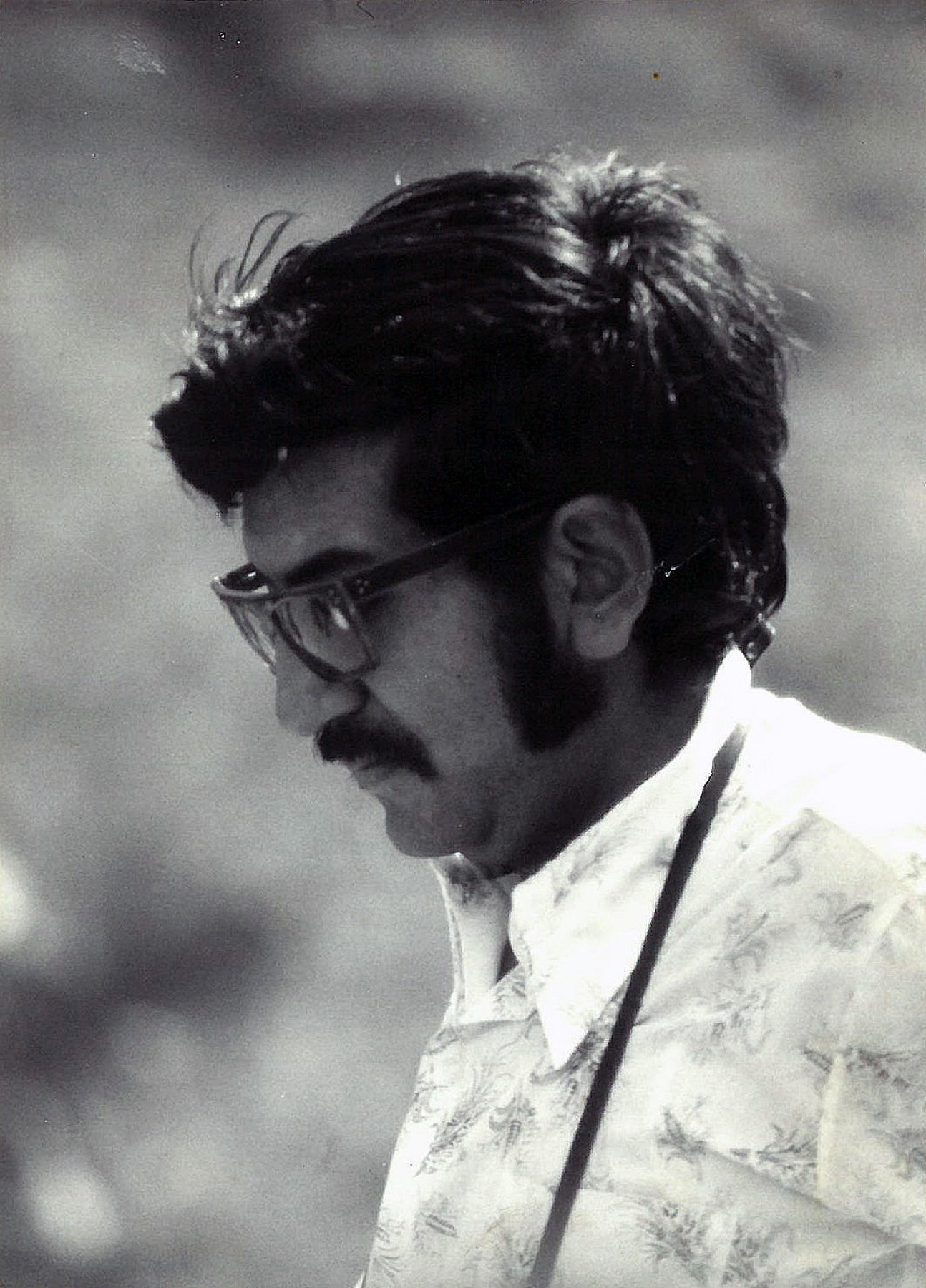
A young Carlos Milla Vidal, black and white portrait
How do you start a hotel with soul?

The origin

I already had a couple of decades’ experience managing leased hotels, and I possessed a certain “intuition for service”. I understood that, to make my project a reality, I had to disregard the regulations and risk bureaucratic rejection. Was it worth it? Yes, I was determined to offer the market a value proposition.

And so, I decided to look for a place that could prove to be the right setting for my dream… Naturally, it had to be in Cusco’s historic center… but, more daringly still, it had to be in “the very heart of the center”.

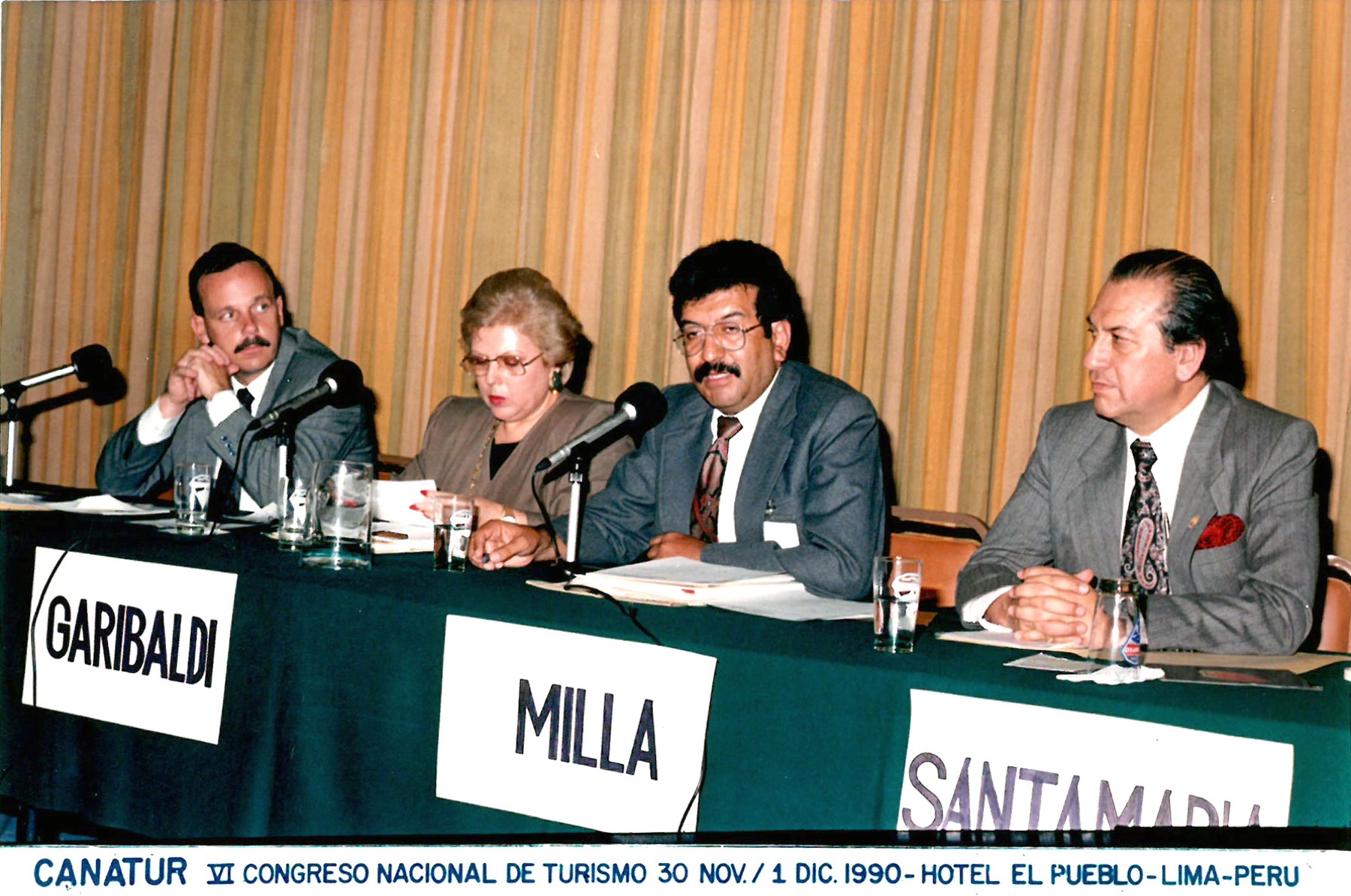
Panel at the 6th CANATUR National Tourism Congress, Lima 1990, with Carlos Milla
Decades of experience in tourism.

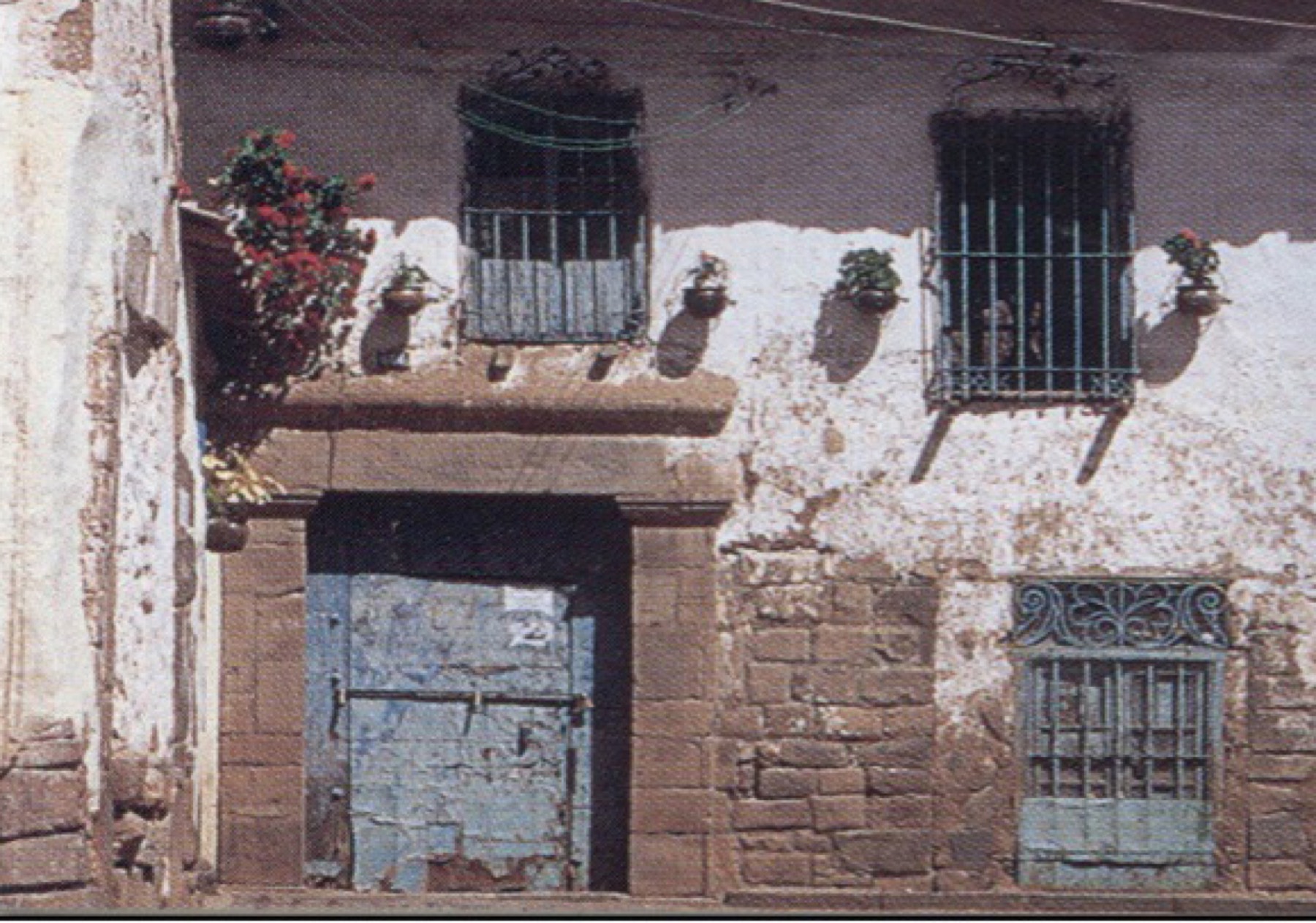
I found a modest 18th-century house, two stories high, with a shop on the first floor and a vestibule leading to an orchard, free of any structures.

It was right on Tocuyeros, a small pedestrian cul-de-sac, just 30 meters from the street that led up to San Blas church, within a truly unspoiled setting.

The original house on Tocuyeros street before its restoration
The little house on the Tocuyeros passage.

When it came to designing the specifications, my decision was clear: I would read carefully the manual of a large hotel chain, and then do the exact opposite. “We are here to serve”, the manual stated, thus establishing a hierarchy in which the host was subservient. “The customer is always right”, read another principle that, to me, seemed open to revision. My parents taught me that respect comes from a horizontal relationship: “One should treat both a cleaning lady and an authority figure in the same way”. This is the principle we apply to our customer service.

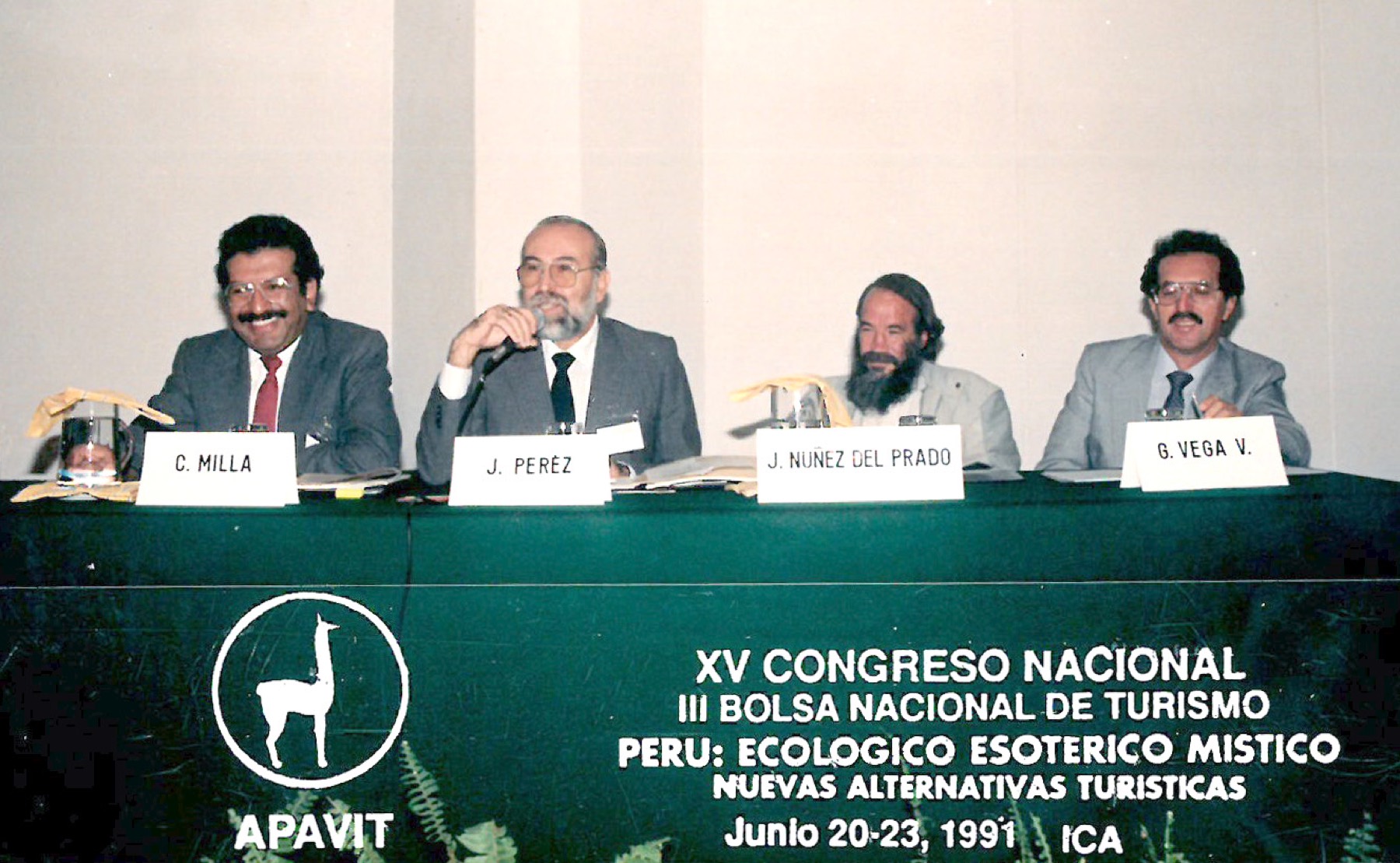
Panel at the 15th APAVIT National Congress, Ica 1991, with Carlos Milla
Supporting new paths in tourism.

It took us three years to transform the house we found into the hotel you see now. And the creation of the personality it has today, with expressions of Andean textile art in all its spaces, was only achieved twelve years after we first launched the project.

Carlos Milla Vidal

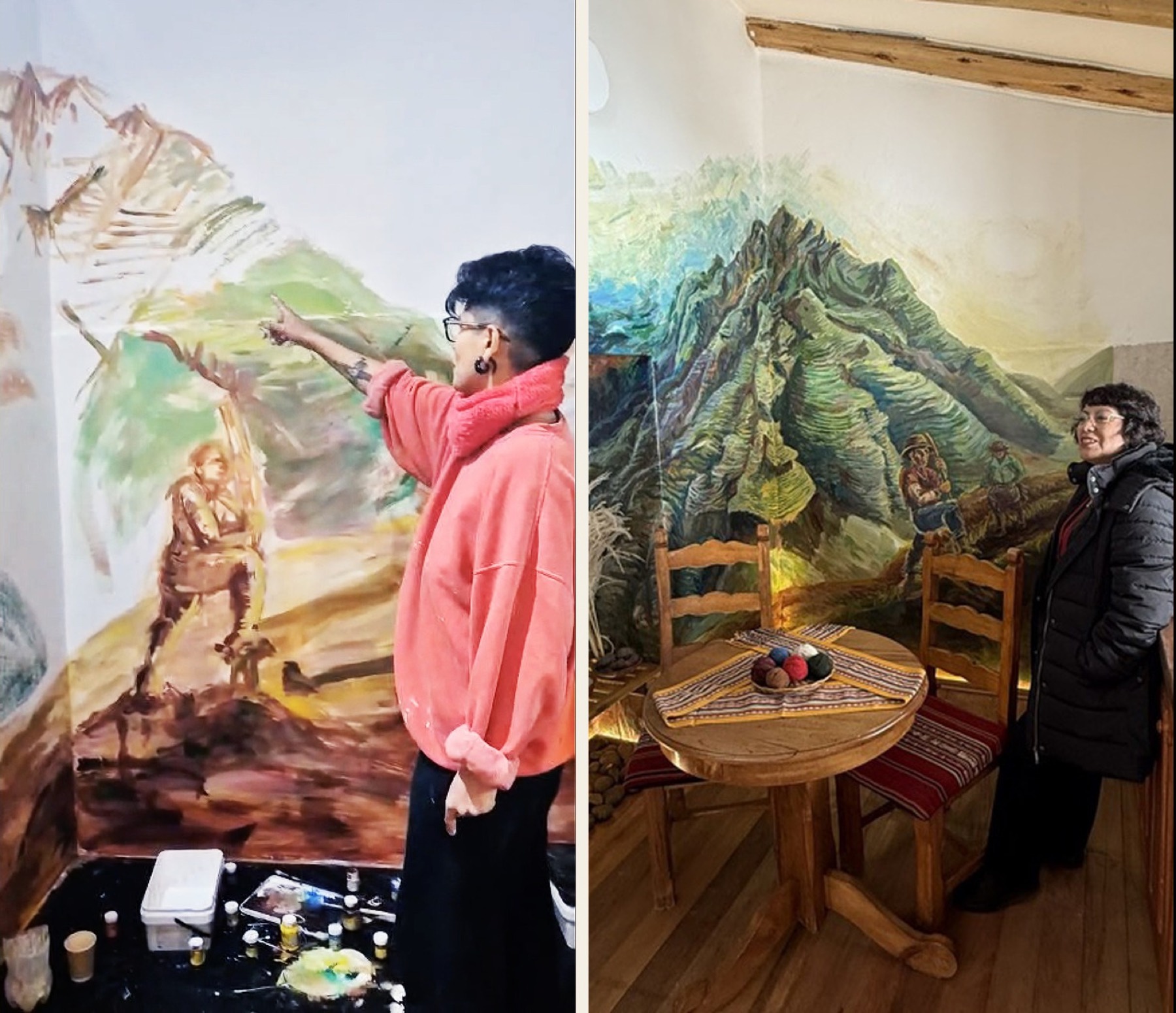
The house's mountain mural, with the artist at work and finished
The process of turning the walls into canvases for learning.

A Family and a Mother

Exchanging all our wealth for education

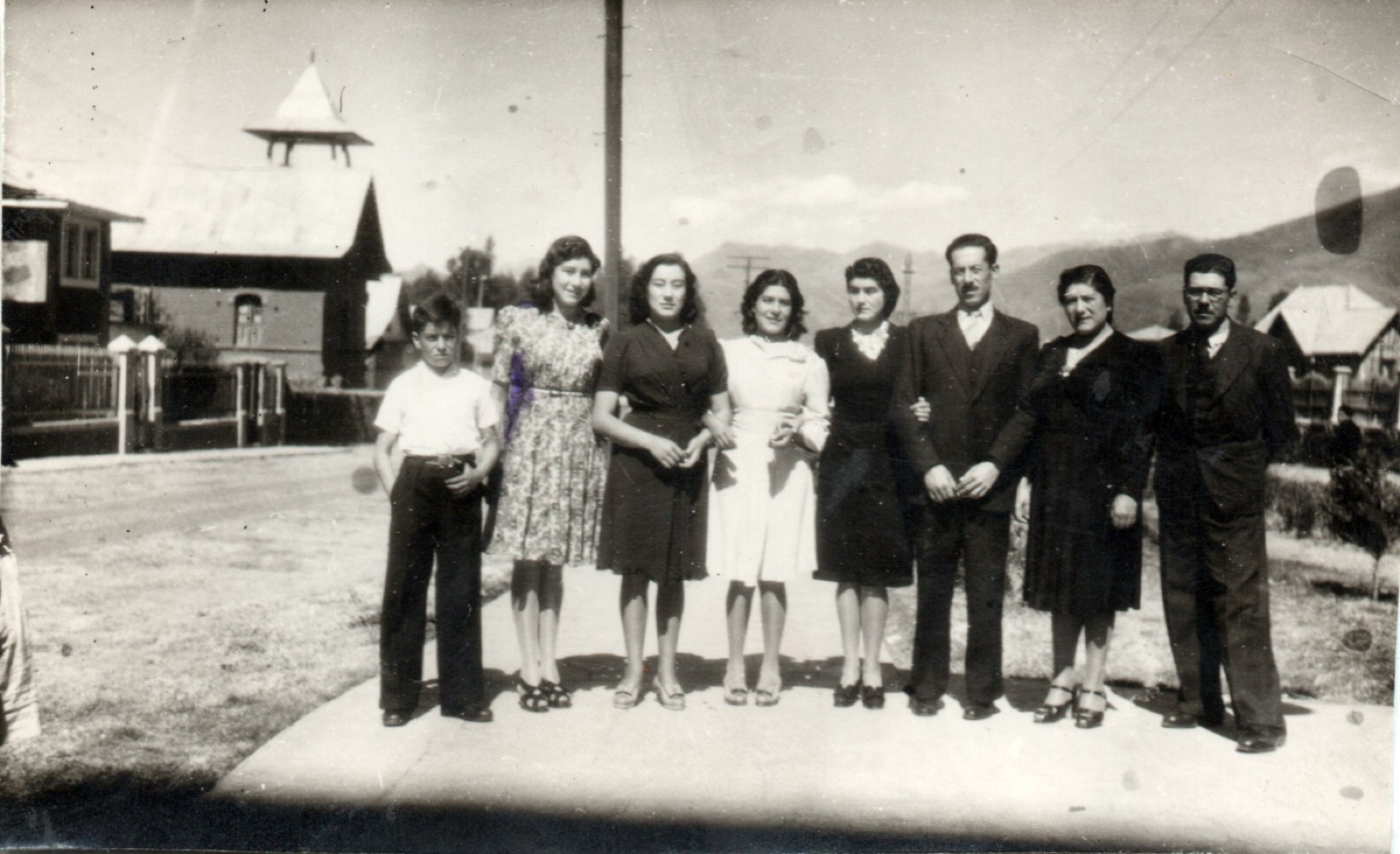
It was the early 20th century, on a small rural hacienda in Cusco, in a village with no school, only a church and a police station. There was, however, a train station, the only sign of modernity. The landowners, Felipe Vidal Dolmos and Ana María Unda Dávila, had eight children. Born in 1917, Delia was the fifth sibling. The couple worked hard to raise their family. Their greatest concern was their children’s education: they hired a tutor who taught the girls reading, writing and basic arithmetic, so they could help in the family business. Humberto, the eldest son, was taken to Cusco by his father. He entered Cusco’s Science College and later attended university, where he studied philosophy, eventually becoming acknowledged as one of the major Peruvian thinkers of the 20th century. It was Humberto Vidal who created the celebration of Inti Raymi in 1944, and defined its social and symbolic significance.

After Don Felipe’s death, the family’s fortunes gradually dwindled. Humberto advised them to move to Cusco, where Delia and her sisters would have the opportunity to study. Doña Ana María did just that, but life in Cusco was not easy. For the first few years, they lived in rented properties, and she sought ways to generate income through all the skills she possessed. Delia excelled both as a student and a leader. Using her knowledge of geography, she taught younger students, and in this way, she began to contribute to the family income.

The eight Vidal Unda siblings in front of the village church
The eight siblings. Delia Vidal is fourth from the left.

Beyond the University

Her brother Humberto’s mentorship was key in encouraging her to apply to Cusco’s San Antonio Abad National University, where she became part of a small elite of young people who readily connected with the leaders of Peru’s Indigenism movement. Delia studied education, and also literature. In 1938, she returned to Cusco’s rural areas, driven this time by a particular concern: she saw how traditional textiles were disappearing, and how widespread poverty in the Andes was preventing people from dedicating themselves to weaving.

The focus of her research was “Indigenous Textile Art”, and Delia decided to go in search of the source, which lay in the mountains. At first, her goal was academic: to demonstrate that, in the remote Andes, in spite of adverse conditions, a “resistance” existed that sustained ancestral textile art among the contemporary descendants of Peru’s ancient weavers. Her research yielded three conclusions:

  1. That the backstrap loom technique employing warp and weft threads remained alive in the first half of the 20th century.
  2. That the people —mainly women— who practiced the craft did so in a state of “meditation”.
  3. That the iconography, in addition to possessing its own aesthetic, incorporated individual and contemporary creations; each design expressed something, each had a meaning.

In 1942, she was appointed as a professor at the university, where she taught home economics and childcare in the Faculty of Education. She is believed to have been the first woman to hold a professorship at the now three-hundred-year-old university.

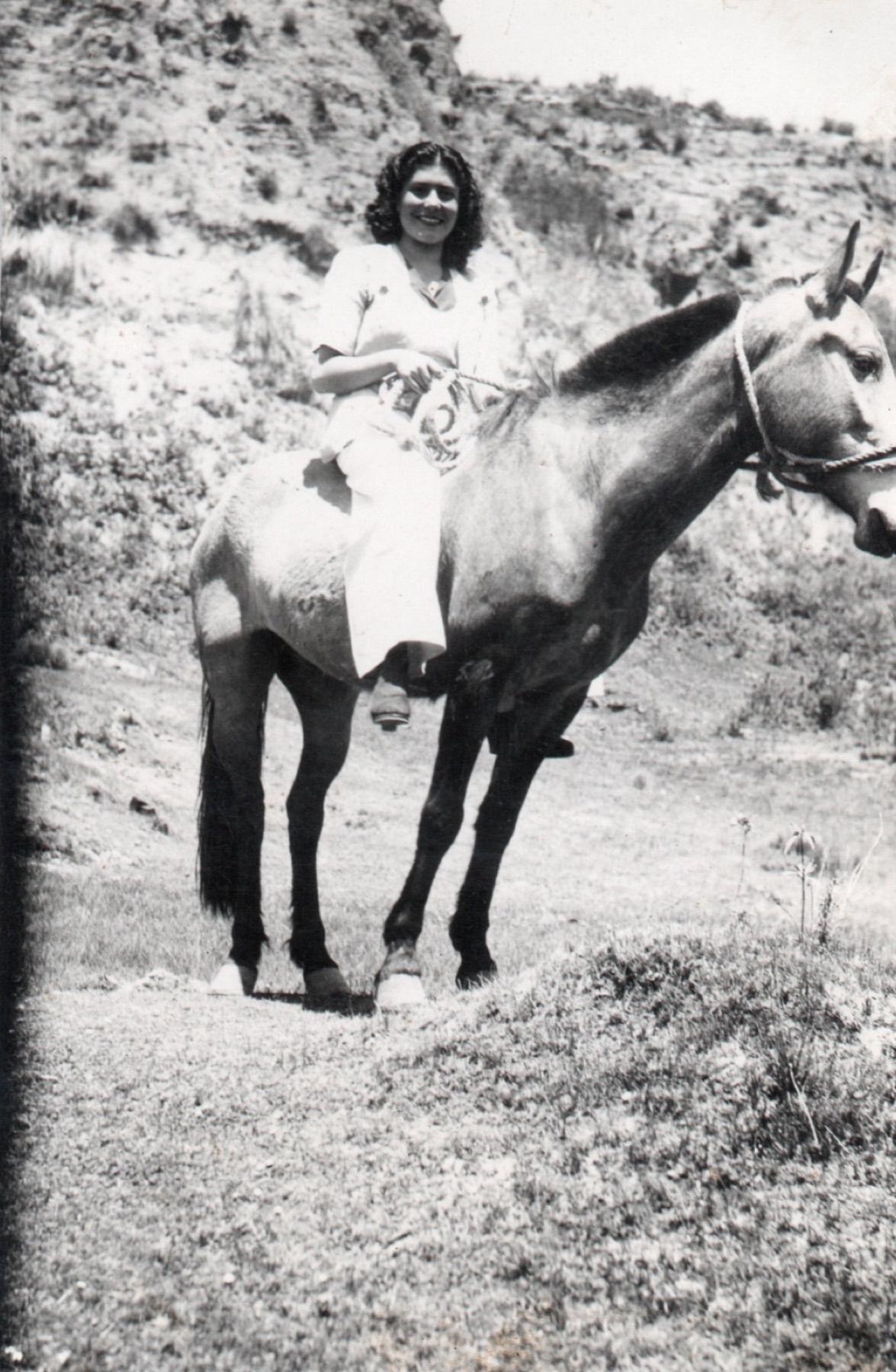
Delia Vidal on horseback in the mountains
Visiting the communities in the mountains.

The Struggle for Women’s Independence

Without abandoning her university professorship, in 1947 Delia applied for and won a Ministry of Education process to appoint the head of a new “Industrial Institute”. This was an opportunity to renew her ideas, convictions and commitment to the textile arts. She believed that the only way for a woman to cease being dependent was through her ability to generate income. She focused on introducing weaving, pattern making and sewing, cooking, baking and other skills into the curriculum. She also foresaw that the burgeoning tourism industry could constitute a market for handcrafts and textiles. And so it was that the first designs for alpaca sweaters with llama motifs were created.

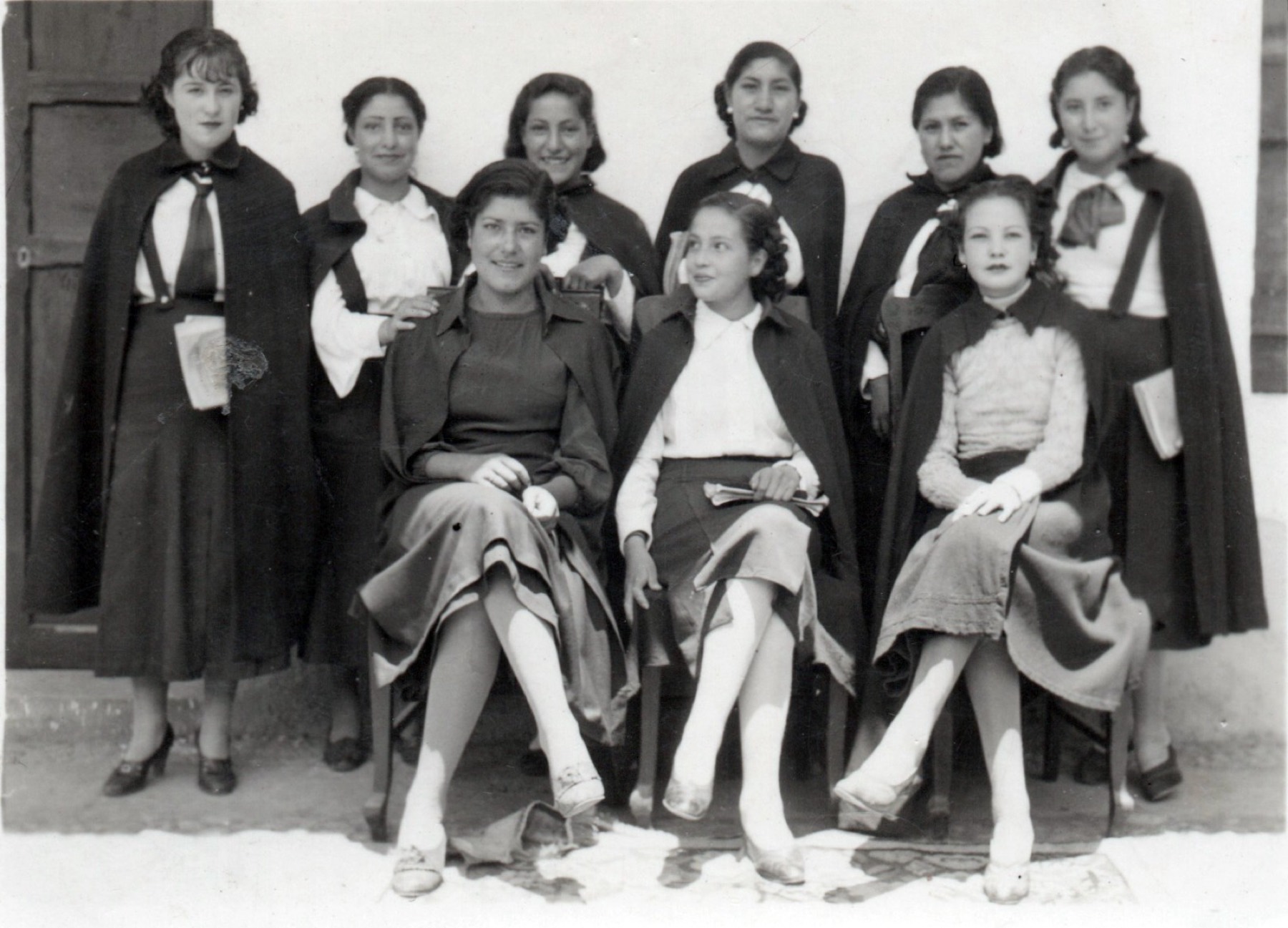
Delia Vidal seated among a group of students in capes
Delia with some of her many students.

The Cusco Line

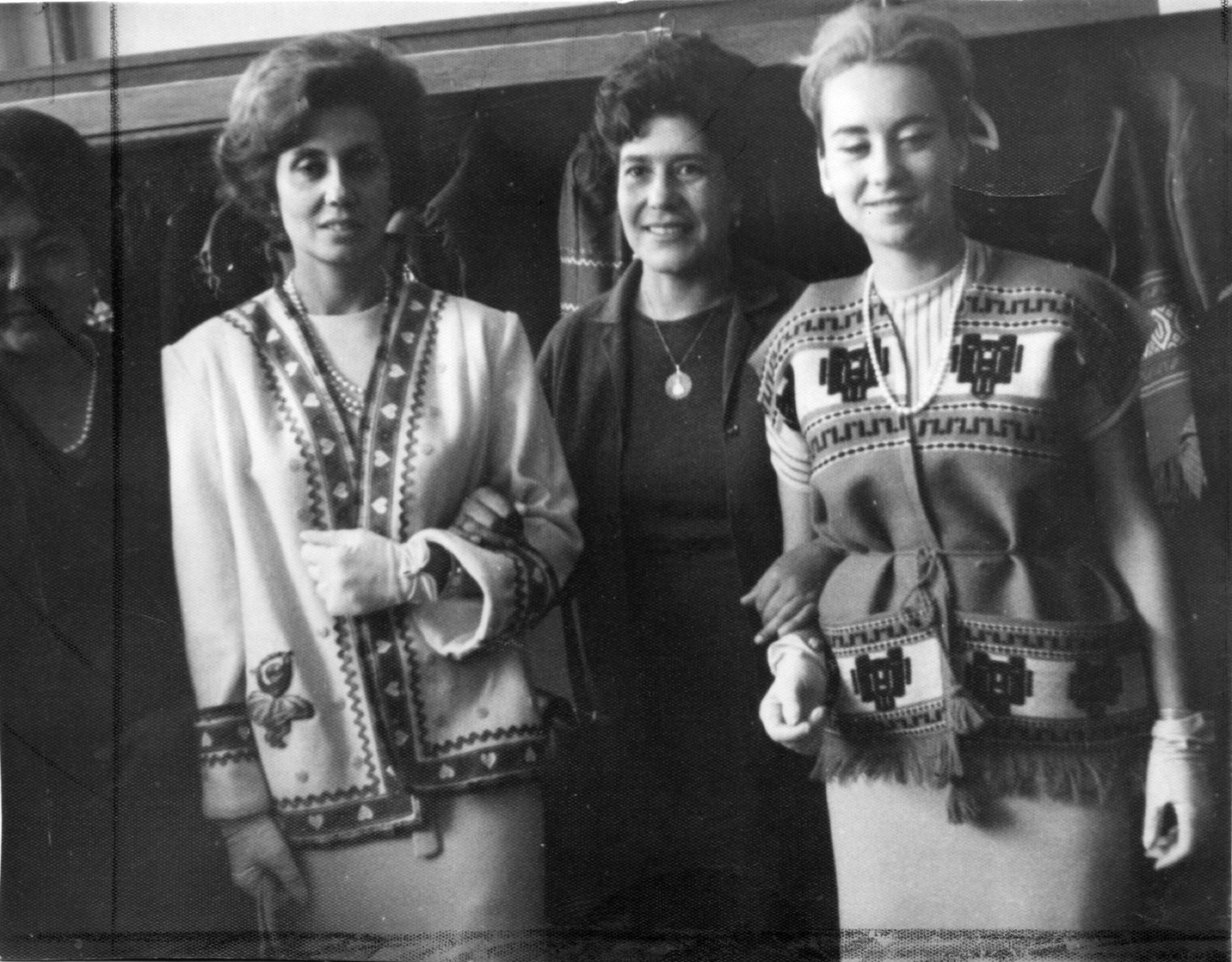
Her next project was the “Cusco Line”, which consisted of employing aesthetic elements from Pre-Columbian cultures in contemporary fashion designs. Her fashion shows began to gain popularity, and she coined the slogan “the art of dressing”. Her project achieved widespread visibility when, in 1967, a Peruvian woman won the Miss World pageant wearing garments from the Cusco Line.

At the age of 80, Delia resolved to leave a record of her work and published a book, sponsored by the Municipality of Cusco, in which she shared aspects of her life, her research and her work. All the Casa San Blas décor is inspired by and based on my mother’s work in semiology.

Carlos Milla Vidal

Two models in Cusco Line jackets beside Delia Vidal
Two models wearing garments from the Cusco Line.
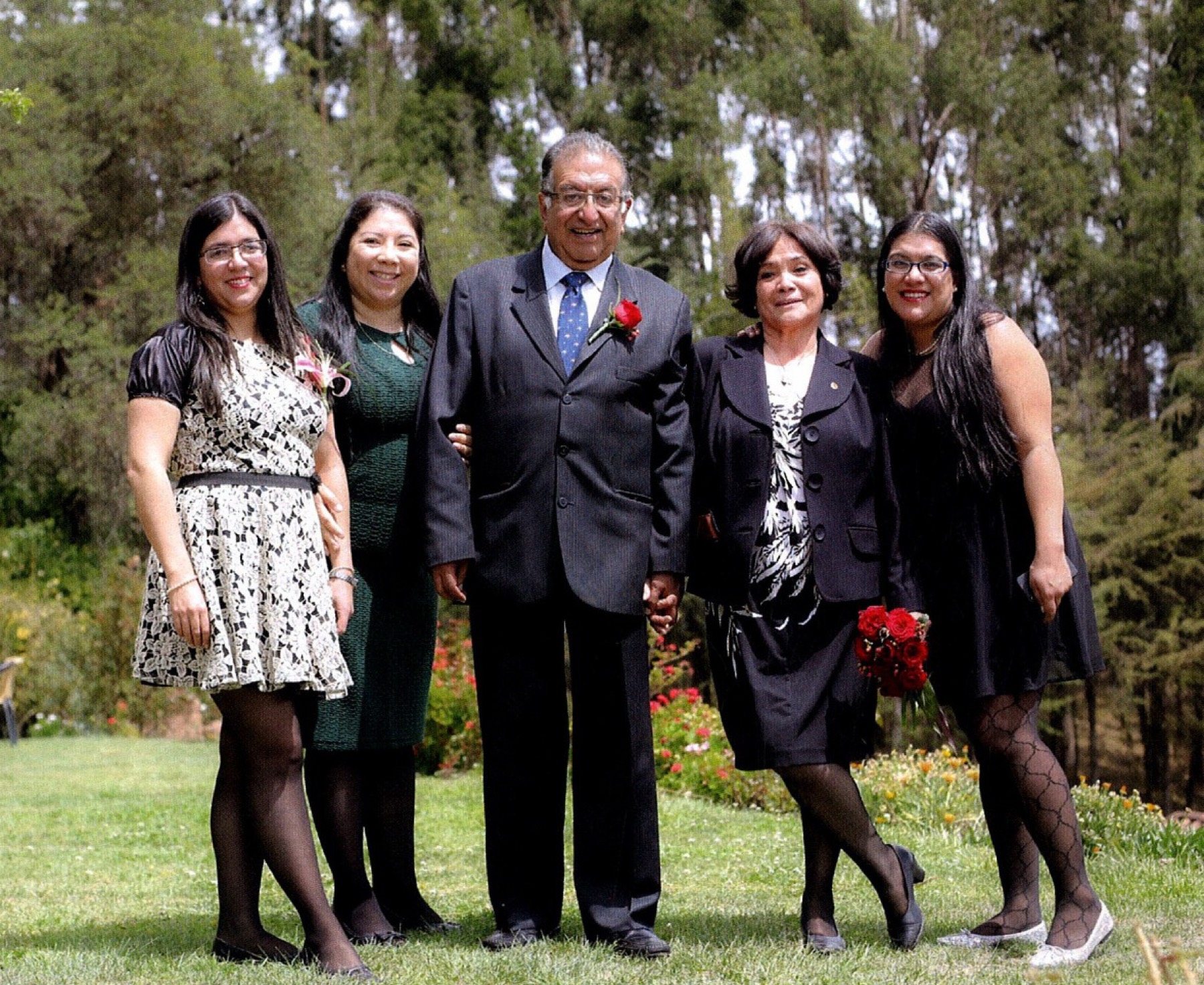
Carlos Milla Vidal with his wife and three daughters in a garden
My family… my team.

Philosophy

We believe in attention to detail, taking our time, and genuine hospitality. That is why our service is highly personalized and attentive. True to our spirit: we welcome guests and say farewell to friends.

We encourage enthusiastically tourism activities with a focus on respecting the natural world and preserving the historical heritage of Cusco, while contributing to the quality of life of our community.

We respect our in-house and external collaborators, working as a team to foster integrity and continuous learning, with an ethical and honest approach in all our interactions.

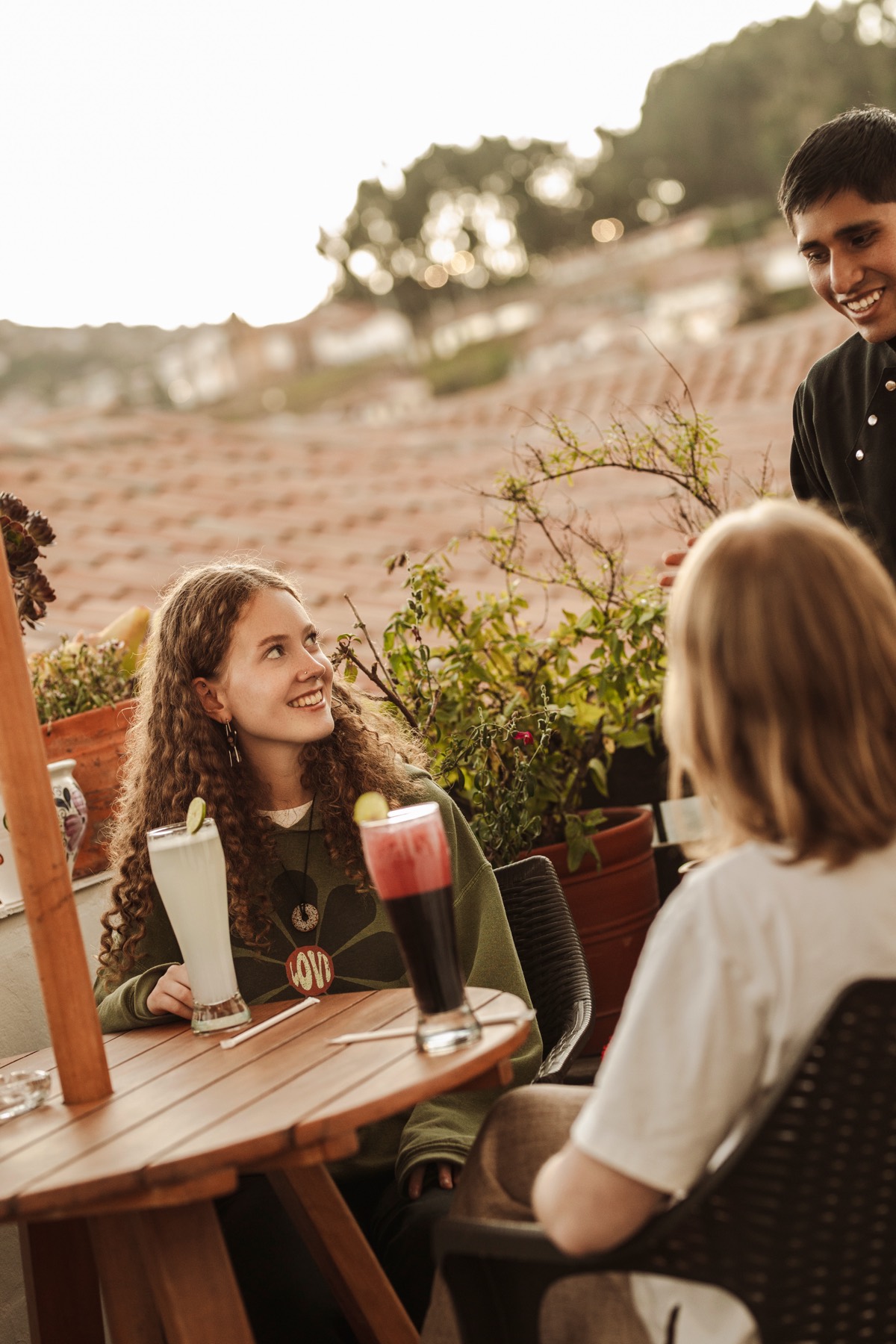
Guests chatting with the team on the terrace
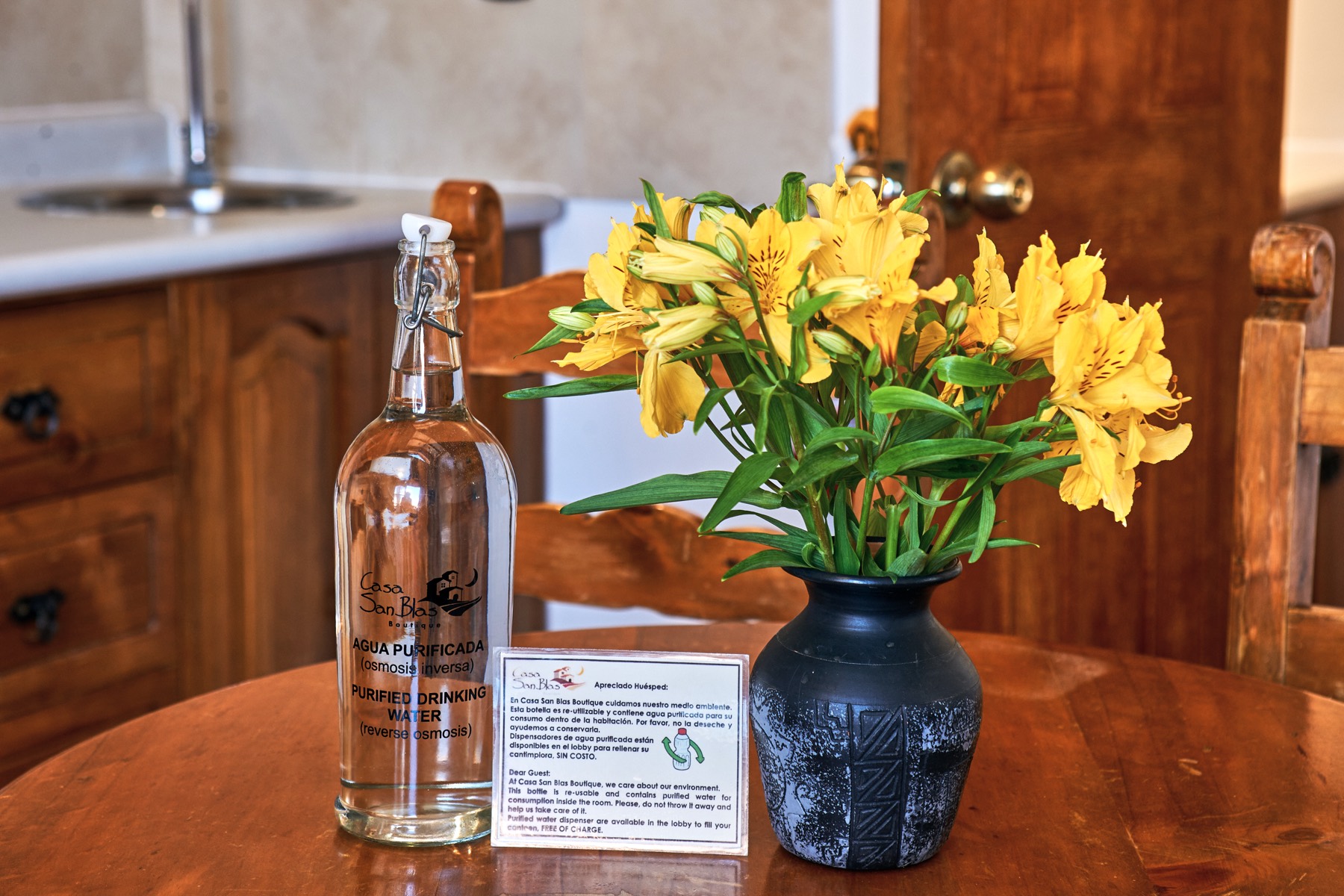
Purified water bottle and flowers in a room
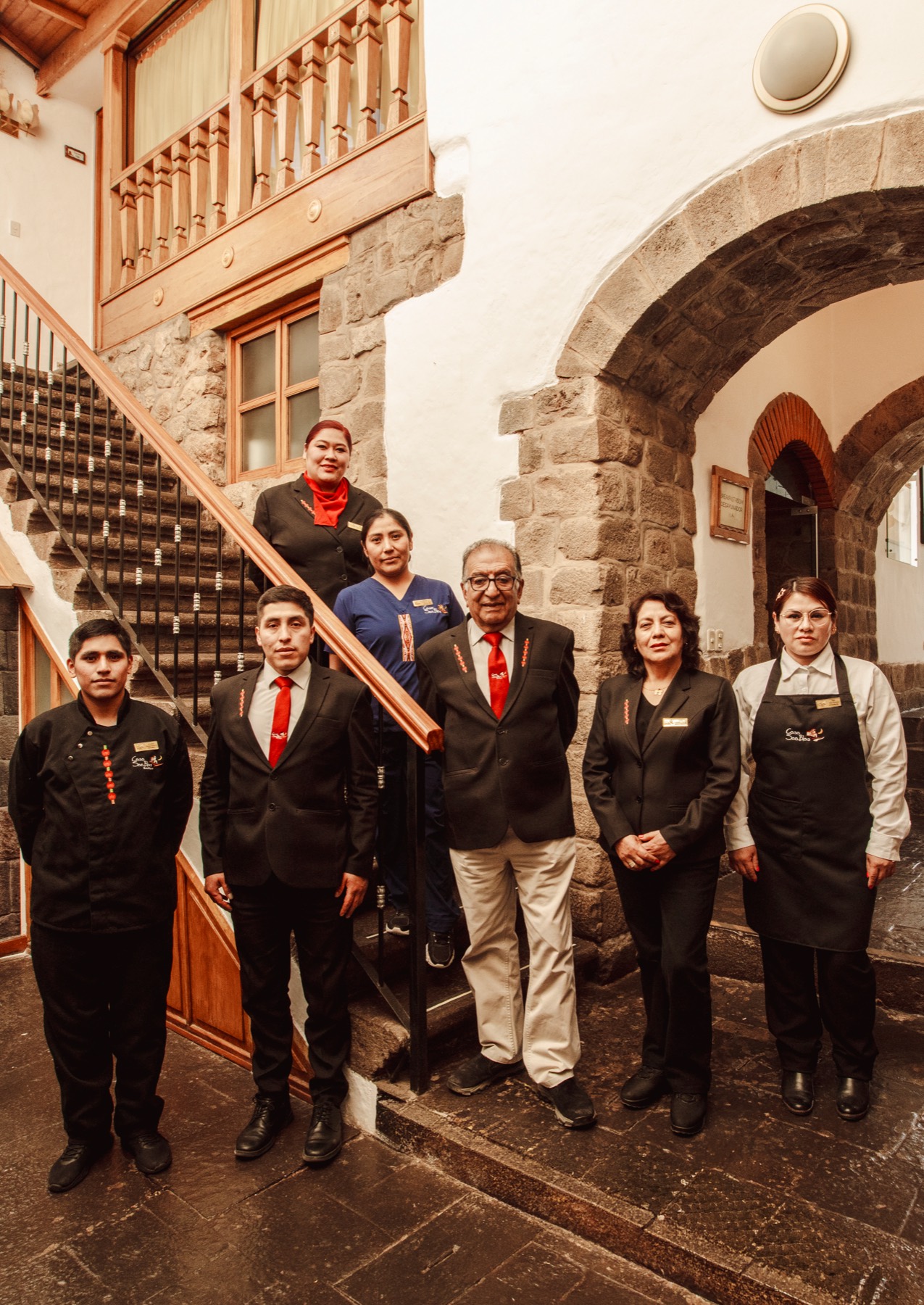
The Casa San Blas team at the foot of the stairs

“A hotel with a purpose”

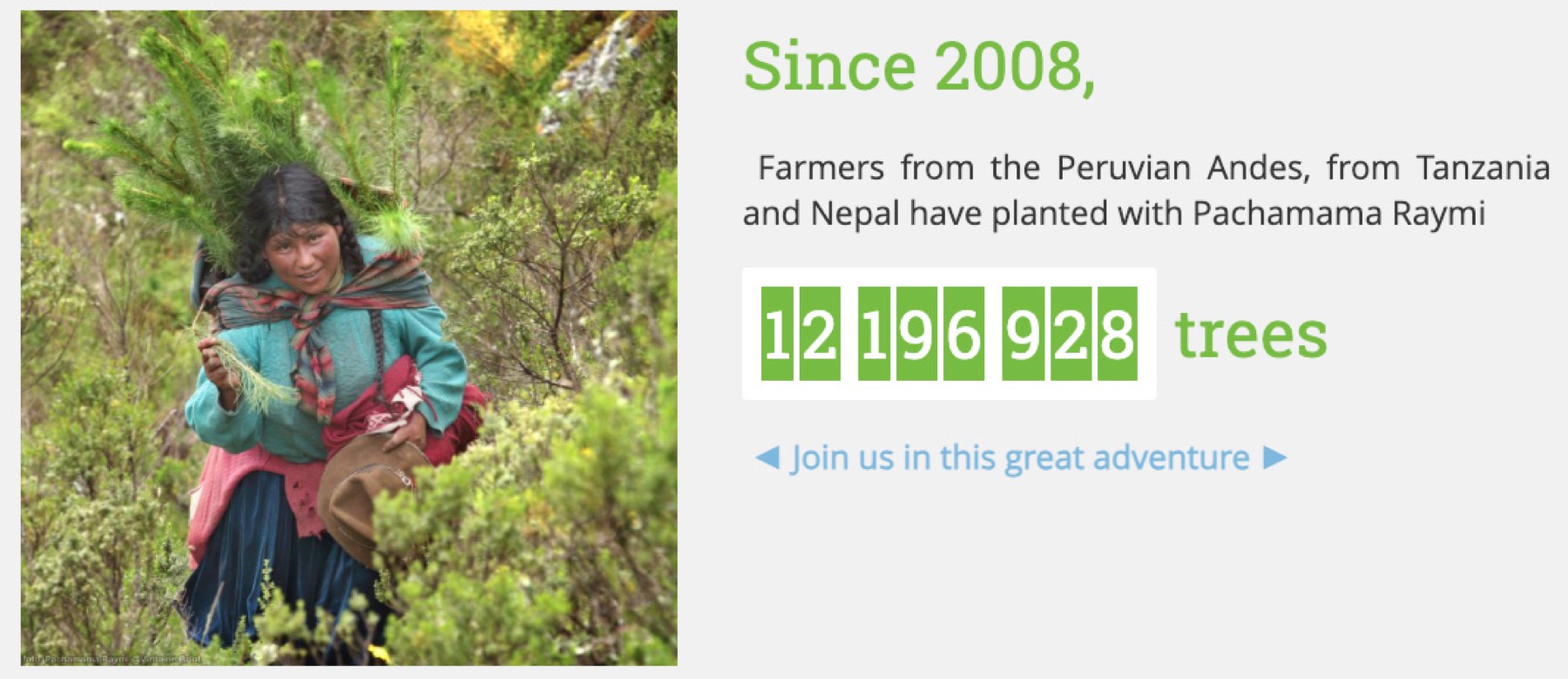
At Casa San Blas, we want to contribute to society, which is why we have become involved in many social activities, such as Pachamamaraymi, an NGO that has lifted more than 25,000 families out of poverty in the last 15 years. www.pachamamaraymi.org ; and the Cusco Institute of Economics, a research center that conducts studies aimed at influencing public policy. www.incuse.org.pe

Clipping from the Pachamama Raymi website: trees planted since 2008